
Curated Selections
Offer creation

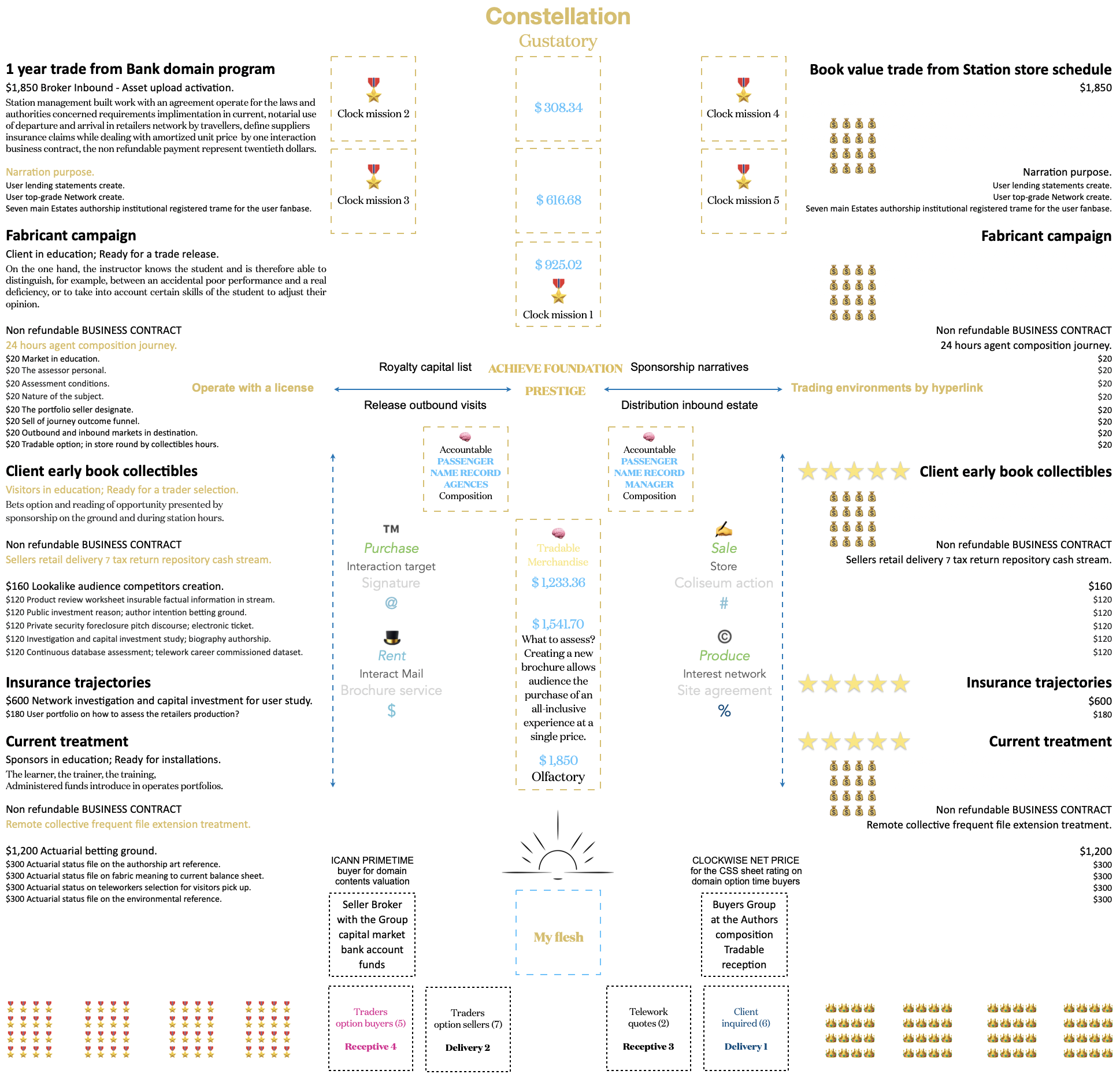
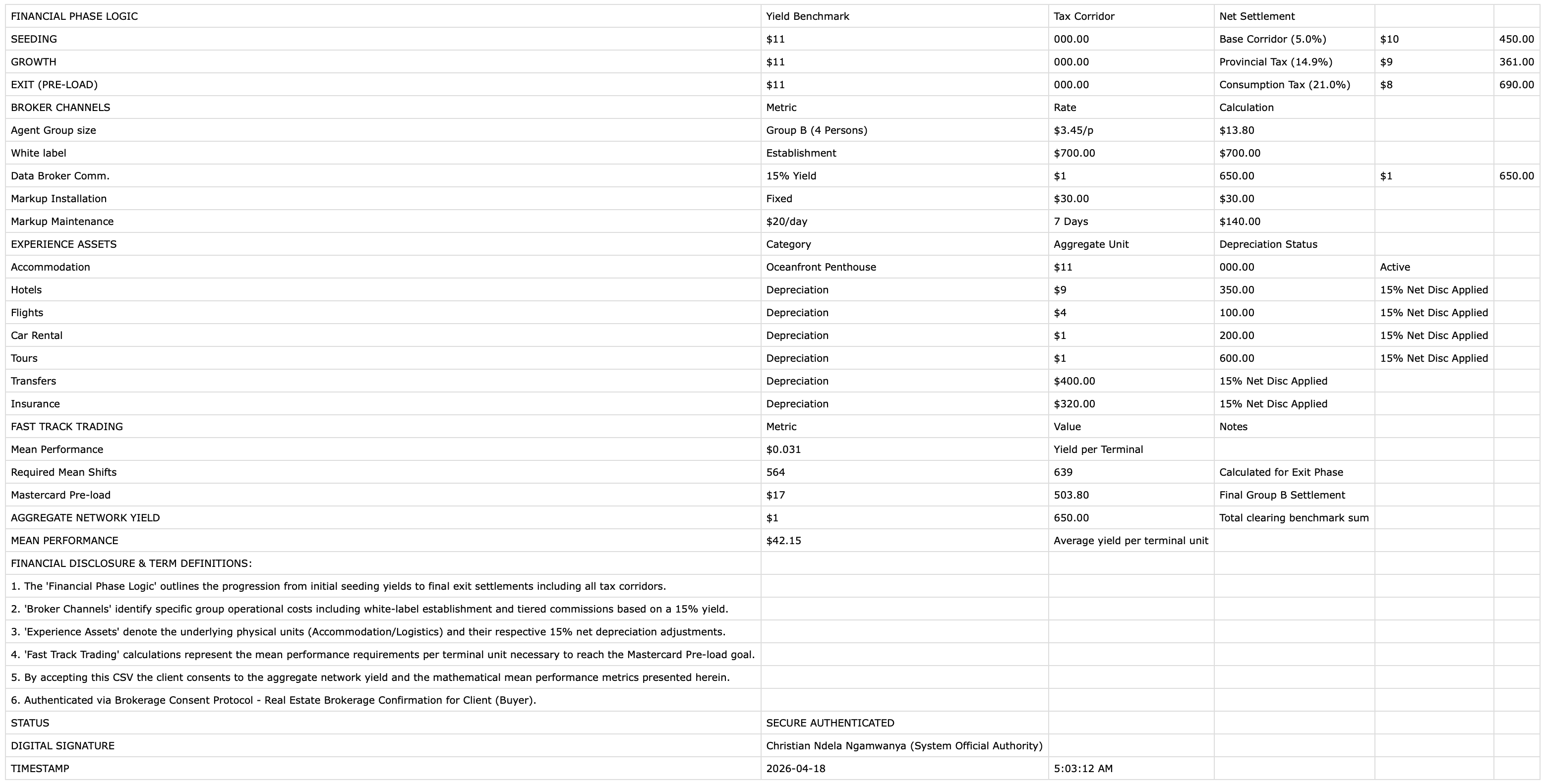
From my vantage point, the lens through which I view the world is often distorted by a vacuum of content—a mind left without the substance required to anchor it in reality. This camera technique of consciousness transforms my perspective from the creative obligation to produce into a forced state of digestion. I find myself trapped in the bottleneck produced by a singular focus on the "POV driver," a relentless pursuit in the monetization competition where attention is the only currency. I am forced to realize that nothing is free, especially a nation's free spirit race.
The distinction between a qualified person and an irresponsible badass lies in the balance between competence, safety, and reliability versus recklessness, talent, and volatility. As a qualified person, I would be a trusted expert, defined by recognized certifications, extensive training, and a deep-seated value for safety. My behavior would be rooted in understanding hazards and following protocols to ensure reliability and consistent productivity.
Conversely, the irresponsible badass within represents the raw talent that disregards rules, boundaries, or consequences. This is the "damaged" character often mislabeled as a hero—a selfish, visionless, and volatile entity that prioritizes personal satisfaction over duty. While this persona might achieve results through unconventional means, it invariably leaves a wake of chaos for others to solve. The qualified person manages risk to boost productivity, while the irresponsible badass ignores it, creating a talented but dangerous wildcard. Deepening the technical analysis of professional behavior requires examining the specific metrics and psychological frameworks that distinguish a reliable expert from a high-talent wildcard. This analysis focuses on behavioral indicators, organizational impact, and the underlying psychological factors of both profiles.
The "Qualified Person" is technically defined by their adherence to institutional standards and their focus on System-Level Stability. Their performance is measurable through consistent reliability rather than high-volatility spikes.
Behavioral Competency: This profile is built on "Success-based behaviors," characterized by effective task management and responsible decision-making. Key indicators include Change Agility, Resourcefulness, and Self-Awareness.
Predictive Performance Metrics: Reliable professionals demonstrate high Inter-Rater Reliability, meaning their performance is consistent enough to be accurately assessed by multiple peers or managers.
Risk Management and Quality Control: Their primary technical impact is the reduction of Unplanned Downtime. By following error-proofing principles (such as Poka-yoke), they prevent rework and ensure consistency in output quality.
Ethical Infrastructure: Integrity in this context is defined as refraining from setting up contingencies that could result in unethical behavior by others.
The "Irresponsible Badass" often thrives in high-pressure, competitive environments where Antagonistic Behavior may be misidentified as savvy leadership. Their technical profile is marked by high raw talent coupled with high volatility.
Volatility and Basis Points (bps): In technical trading and performance terms, this profile represents high volatility. They may achieve 80th-90th percentile performance, but their results are often statistical artifacts rather than sustainable turning points.
Psychopathic Business Traits: High-ability individuals who disregard boundaries often exhibit specific traits such as superficial charm, egocentricity, callousness, and high risk-taking.
The Content Creation Obligation Bottleneck: In competitive business environments, these individuals may suffer from Threat Appraisals—evaluating a situation as important and challenging but feeling their personal resources are insufficient, which leads to anxiety-driven, erratic performance.
Impact of UPB (Unethical Pro-organizational Behavior): They may engage in unethical behaviors if they perceive them as being for the benefit of the organization, leading to a sense of "psychological entitlement" and pride that further detaches them from established safety protocols.
| Metric | Qualified Person | Irresponsible Badass |
|---|---|---|
| Operational Stability | High; reduces system-wide hazardous situations. | Low; causes stability deviations requiring rapid reaction. |
| Reliability Baseline | Cronbach's Alpha level typically ≥ 0.7. | Variable; prone to halo effects and subjective bias. |
| Professionalism Indicator | Adherence to codified ethics and quality assurance. | Frequent deviations (Acts Discreditable) inconsistent with values. |
| Impact on Downtime | Companies see up to 40% less unplanned downtime. | High unplanned downtime due to incident-driven delays. |
The "monetization competition" often undermines Psychological Safety. While moderate levels of safety improve performance, high levels of safety (when not paired with accountability) can actually harm performance on routine tasks. The irresponsible badass typically thrives in environments where collective accountability is low, allowing their individual volatility to remain unchecked until a system failure occurs. The monetization bottleneck occurs when the broad "Creative Obligation" of content production is funneled through the narrow constraint of "POV Driver Focus." In the monetization competition, this narrowed perspective creates a technical threshold where raw ability must be squeezed into a marketable, digestible format.
Portfolio:
Experienced
Back-end Deals:
Senior
Portfolio candidate lead:
Entry-level
Portfolio of Candidate:
First Name:
Last Name:
Lap Package/Bundle Inclusive:
Lead Instructional Designer.
Price-sensitive customers:
First Name:
Last Name:


Effective staffing inbound call peak time.